Travel Tips
First Time in Jamaica? Your No-Nonsense Guide
May 12, 2026 · 9 min read
Welcome to Jamaica — the island where the rhythm finds you before the rum does. If this is your first trip, the goal of this guide is simple: skip the rookie mistakes, land prepared, and spend your first 24 hours soaking in the island instead of decoding it.
Which airport should you fly into?
Jamaica has two international gateways and the one you choose shapes your whole trip.
- Sangster International (MBJ) in Montego Bay — the right choice for the north and west coast: Negril's seven-mile beach, Montego Bay resorts, Falmouth, Ocho Rios, and most all-inclusive territory. Roughly 90% of first-time visitors land here.
- Norman Manley International (KIN) in Kingston — fly here for the capital, the south coast, Port Antonio (via the scenic drive), and the Blue Mountains. Kingston is the cultural and culinary heart of the island and increasingly the smart pick for repeat visitors.
If your villa is on the north coast, MBJ saves you 3–4 hours of driving. If you're staying in Kingston or the Blue Mountains, fly KIN — do not land in MBJ and try to drive across the island on day one.
Entry, money, and connectivity
- Immigration: fill out the Jamaica C5 Immigration & Customs form online before you fly (enterjamaica.com). It saves 30+ minutes at the airport.
- Cash: bring USD in small bills ($1, $5, $10, $20). Most villas, restaurants, and tours accept cards, but craft markets, jerk stands, rum shops, and tips run on cash. You do not need to convert to Jamaican dollars unless you want to — USD is accepted almost everywhere tourists go.
- SIM / data: Digicel and Flow both sell tourist SIMs at the airport for around $15–20 USD with plenty of data. eSIM options (Airalo, Holafly) work great too if your phone supports them.
- Power: 110V, same plugs as the US/Canada. No adapter needed for North American devices.
Getting from the airport to your stay
Three options, ranked by what we actually recommend:
- Private driver / transfer (best). Pre-book through your ProHomesJA concierge or your villa host. Expect $80–150 USD from MBJ to Negril or Ocho Rios. They'll be waiting with a sign, help with bags, and stop for a Red Stripe or a patty along the way.
- Knutsford Express — a clean, reliable coach service connecting MBJ, Negril, Ocho Rios, and Kingston. Cheap ($20–35 USD) and good if you're traveling light.
- Taxis — only take licensed JUTA taxis (red PP license plates). Agree the fare before you get in. Never accept a ride from someone approaching you inside the terminal.
Avoid renting a car on day one if you've never driven in Jamaica. Which brings us to…
Driving in Jamaica
Jamaicans drive on the left, British-style. Roads are narrow, mountainous, and full of personality — goats, potholes, overtaking on blind corners, and minibuses that treat lane markings as suggestions. If you're confident and want the freedom, rent a small SUV (Suzuki Jimny or similar) and take it slow. If you're not, hire a driver for the day — $120–180 USD gets you a guide, A/C, and zero stress. The North Coast Highway between MBJ and Ocho Rios is excellent and worth the small toll.
Tipping like a local
- Restaurants: 10–15% if service isn't already included (check the bill — many add 10% automatically).
- Hotel/villa housekeeping: $5–10 USD per day, left at the end of the stay.
- Drivers and tour guides: 10–15% of the total.
- Porters and bag handlers: $1–2 USD per bag.
- Beach vendors: no tip — just a fair price agreed before the service.
What to eat (and where)
Eat outside the resort. Always.
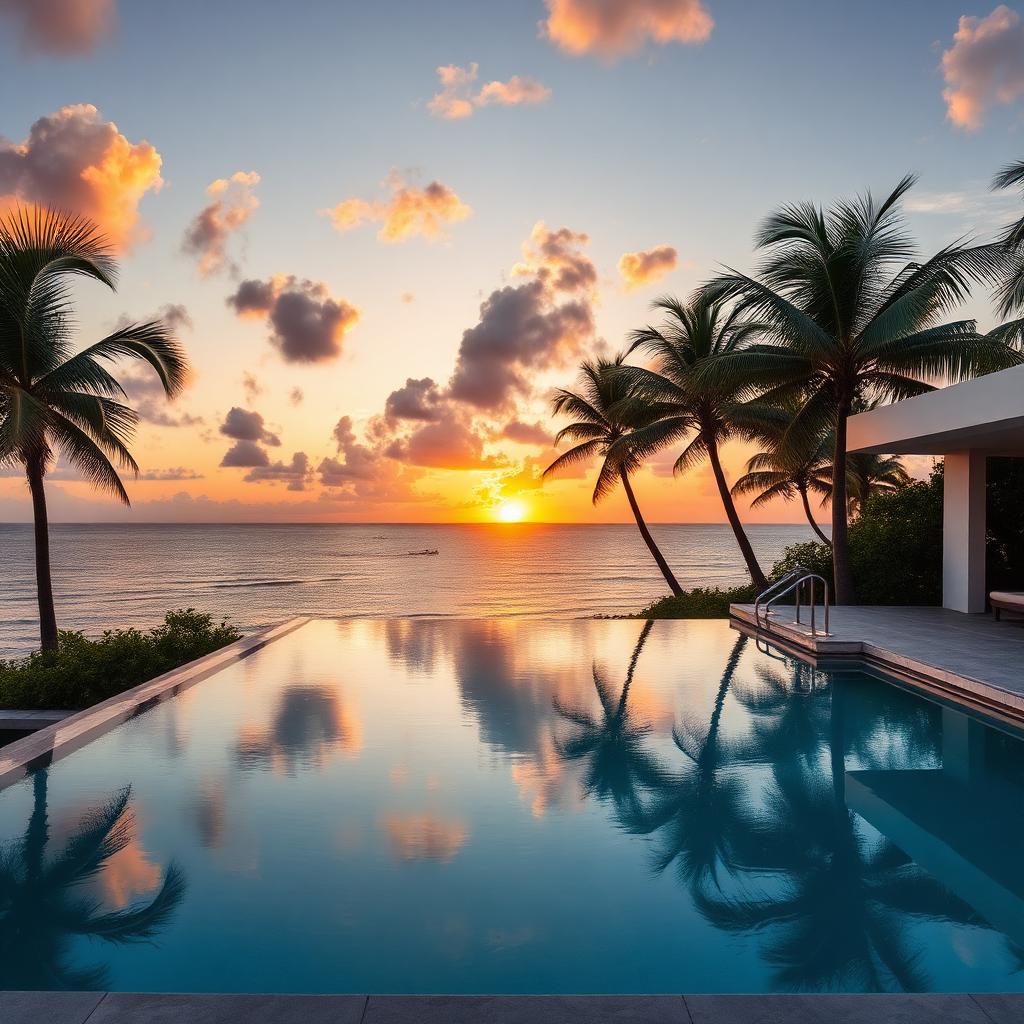
- Jerk chicken or pork from a roadside drum — Scotchies (Montego Bay & Ocho Rios) is the famous one, but every parish has a local favorite.
- Ackee and saltfish — the national dish, best at breakfast with fried dumplings or boiled green bananas.
- Patties — a flaky beef, chicken, or veggie hand pie. Juici Patties and Tastee are the chains; small bakeries are even better.
- Festival — slightly sweet fried dough that goes with everything.
- Bammy and escovitch fish — a south coast and seaside lunch classic.
- Rum — Appleton Estate is the icon. Wray & Nephew Overproof is the working person's rum (handle with respect — it's 63%).
Safety, plain and simple
Jamaica is safe for tourists who use the same common sense they'd use in any city. Stay in well-reviewed properties, use trusted drivers, don't flash cash or jewelry, and don't wander off-route after dark. Stick to the tourist corridors, beaches, and Blue Mountain routes and you'll be completely fine.
Weather and when to go
- High season (mid-December to mid-April): dry, sunny, 80°F. Most expensive.
- Shoulder (May, early June, November): great weather, smaller crowds, better rates.
- Hurricane season (June–November, peaks August/September): rates drop, occasional storms. Travel insurance is smart.
- It rains in short bursts year-round on the north coast — bring a light rain layer and move on with your day.
A few things first-timers always forget
- Reef-safe sunscreen (regular sunscreen damages the coral and is increasingly restricted).
- Insect repellent for evenings, especially in Portland and the Blue Mountains.
- A power bank for long beach and waterfall days.
- A small dry bag for boat trips to the Pelican Bar, Luminous Lagoon, or Rick's Cafe sunsets.
- Patience. "Soon come" is not an excuse — it's a way of life. Match the pace and the island opens up.
What to book before you arrive
- Your villa or vacation rental (obviously — and we can help with that).
- Airport transfer for day one.
- One headline experience: Dunn's River Falls, Luminous Lagoon, a Blue Mountain coffee tour, or a Black River safari.
- A reservation at one stand-out restaurant in your area.
Everything else — the beach days, the spontaneous jerk stops, the rum bar conversations — let those happen on island time.
Welcome to Jamaica. Now go enjoy it.